Table of Contents
Introduction
In today’s industrial landscape, hand protection plays a crucial role in workplace safety and productivity. Among the various types of protective gloves available, dipped gloves have emerged as one of the most popular and versatile options. These gloves combine comfort, flexibility, and protection, making them indispensable across numerous industries worldwide.
What is a Dipped Glove?
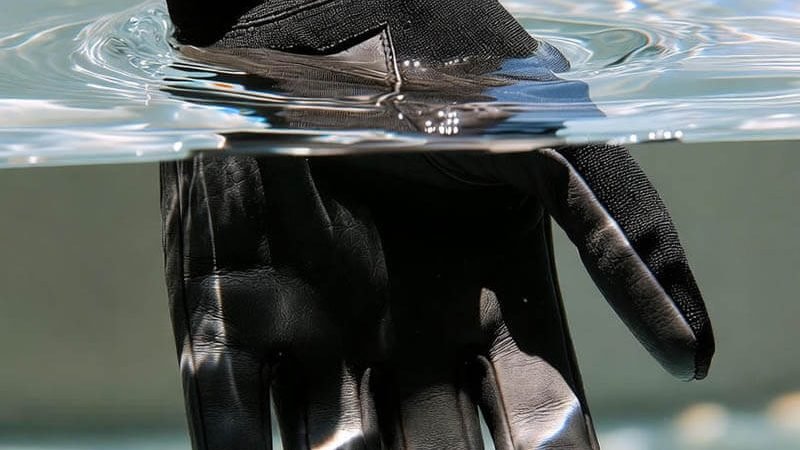
A dipped glove is a type of protective handwear manufactured through a specialized coating process. The term “dipped” refers to the production method where a glove form or liner is immersed into a liquid polymer solution, creating a protective coating layer. This coating can cover the entire glove or just specific areas, such as the palm and fingers, depending on the intended application.
The base material typically consists of a knitted liner made from cotton, polyester, nylon, or other synthetic fibers. This liner is then dipped into various coating materials including latex, nitrile, polyurethane (PU), or PVC. The result is a glove that combines the comfort and breathability of the liner with the protective properties of the coating material.
The Manufacturing Process
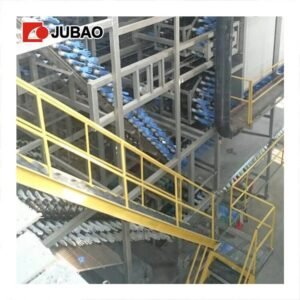
The production of dipped gloves involves sophisticated equipment and precise control systems. A glove dipping machine is the heart of this manufacturing process, automating the coating application to ensure consistency and quality across thousands of gloves.
The manufacturing process typically follows these steps:
Preparation: Knitted liners are loaded onto hand-shaped formers or molds, which are arranged on a conveyor system.
Dipping: The glove dipping machine lowers the formers into tanks containing the liquid coating material. The depth and duration of immersion determine the coating thickness and coverage area.
Draining: After dipping, excess coating material drains off the gloves, often aided by rotation or specific positioning of the formers.
Curing: The coated gloves pass through heating chambers where the coating vulcanizes or cures, bonding permanently to the liner and achieving its final properties.
Stripping and Quality Control: Once cooled, gloves are removed from the formers, inspected for defects, and packaged for distribution.
Modern glove dipping machines incorporate advanced features such as automated temperature control, programmable dipping cycles, and integrated quality monitoring systems. These innovations ensure uniform coating thickness, minimize material waste, and maximize production efficiency.
Types of Dipped Gloves
Dipped gloves are categorized based on their coating material, each offering distinct advantages:
Latex Dipped Gloves: Known for excellent elasticity and tactile sensitivity, latex-dipped gloves provide good resistance to water and mild chemicals. They’re widely used in medical, food processing, and general industrial applications.
Nitrile Dipped Gloves: These gloves offer superior chemical resistance, puncture resistance, and durability compared to latex. Nitrile is also latex-free, making it suitable for users with latex allergies. They’re ideal for automotive, mechanical, and chemical handling tasks.
Polyurethane (PU) Dipped Gloves: PU coatings provide exceptional dexterity and tactile sensitivity while maintaining good abrasion resistance. These gloves are perfect for precision assembly work, electronics manufacturing, and inspection tasks.
PVC Dipped Gloves: Offering excellent chemical resistance and durability, PVC-dipped gloves are cost-effective solutions for heavy-duty applications involving oils, greases, and certain chemicals.
Applications and Industries
The versatility of dipped gloves makes them suitable for an extensive range of applications across multiple sectors:
Manufacturing and Assembly: Workers in automotive, electronics, and general manufacturing rely on dipped gloves for protection while maintaining the dexterity needed for intricate tasks.
Construction: Contractors use dipped gloves to protect hands from cuts, abrasions, and exposure to various materials while maintaining grip on tools and materials.
Healthcare: Medical professionals use latex and nitrile dipped gloves for examinations and procedures requiring both protection and sensitivity.
Food Processing: The food industry depends on dipped gloves that meet safety standards while providing protection and grip in wet or cold environments.
Logistics and Warehousing: Workers handling packages, operating machinery, and managing inventory benefit from the protection and grip provided by dipped gloves.
Advantages of Dipped Gloves
Dipped gloves have gained widespread popularity due to numerous benefits:
Enhanced Grip: The coating material provides excellent grip in both dry and wet conditions, reducing the risk of dropped tools or materials.
Superior Comfort: The seamless knitted liner offers breathability and flexibility, reducing hand fatigue during extended wear.
Cost-Effectiveness: Dipped gloves offer an optimal balance between protection and affordability, making them economical for high-volume usage.
Versatility: With various coating options and coverage patterns available, dipped gloves can be customized for specific applications.
Durability: The coating protects the liner from wear and tear, extending the glove’s useful life compared to uncoated alternatives.
Chemical Resistance: Depending on the coating material, dipped gloves can provide protection against various chemicals, oils, and solvents.

Quality Standards and Safety
Manufacturing high-quality dipped gloves requires adherence to international safety standards and regulations. In Europe, gloves must comply with EN 388 for mechanical risks and EN 374 for chemical protection. In North America, ANSI/ISEA 105 standards govern cut resistance levels.
A reliable glove dipping machine must be capable of producing gloves that consistently meet these standards. This requires precise control over coating thickness, curing temperatures, and quality assurance protocols throughout the production process.
Conclusion
Dipped gloves represent a perfect synergy of innovation, functionality, and safety in hand protection. Through the sophisticated process enabled by advanced glove dipping machines, manufacturers can produce gloves that meet the diverse needs of modern industries. From construction sites to surgical suites, these versatile gloves continue to protect workers while enabling them to perform their tasks with confidence and precision.
As technology advances, the manufacturing process becomes increasingly refined, producing gloves with enhanced properties and performance characteristics. The future of dipped gloves looks promising, with ongoing developments in materials science and manufacturing technology set to deliver even better protection and comfort for workers worldwide.
Looking for Professional Glove Dipping Machine Solutions?
We are a professional glove dipping machine manufacturer with years of experience in providing high-quality, reliable equipment for glove production. Our advanced machinery ensures consistent quality, optimal efficiency, and compliance with international safety standards. Whether you’re establishing a new production line or upgrading existing equipment, we offer comprehensive solutions tailored to your manufacturing needs.
Contact us today to learn more about our glove dipping machine technology and how we can support your business growth.