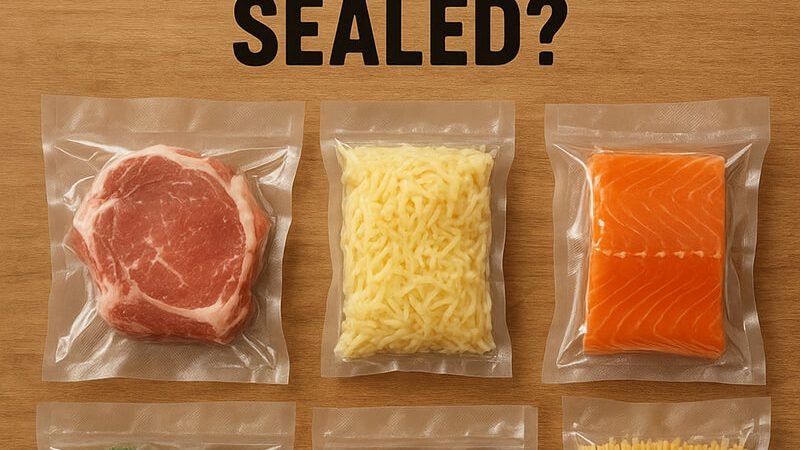
How Long Can Food Last If It’s Vacuum Sealed?
Table of Contents
Introduction
Vacuum sealing has revolutionized the way we store and preserve food. By removing oxygen from packaging, vacuum sealing significantly extends the shelf life of various food items. But how long exactly can different foods last when properly vacuum sealed? This comprehensive guide explores the shelf life of vacuum-sealed foods and explains why this preservation method is so effective.
How Vacuum Sealing Works
Vacuum sealing is a food preservation method that removes air from food packaging before sealing it completely. A vacuum sealer for food packaging creates an airtight seal that prevents oxygen from entering the bag. Since oxygen promotes the growth of bacteria and mold, removing it dramatically slows down the deterioration process. This simple yet effective method works by extracting air from specially designed bags and then heat-sealing them shut, creating an environment where food can maintain its freshness and nutritional value for much longer than conventional storage methods.
Shelf Life of Vacuum Sealed Meat
One of the most popular uses for a vacuum sealer for food packaging is preserving meat. When stored in the refrigerator at 40°F (4°C), vacuum-sealed raw beef can last 3-4 weeks, compared to just 3-5 days in regular packaging. Pork can last up to 2-3 weeks in the refrigerator when vacuum sealed, and chicken lasts approximately 1-2 weeks.
For long-term storage, freezing vacuum-sealed meat extends these timeframes dramatically. Frozen vacuum-sealed beef can last 2-3 years, pork can last 1-2 years, and chicken can last 1-2 years in the freezer. These extended shelf lives make vacuum sealing ideal for bulk buying and meal prep enthusiasts who want to reduce food waste and save money.
Shelf Life of Vacuum Sealed Vegetables
Vacuum-sealed vegetables also benefit significantly from this preservation method. Fresh vegetables like broccoli, carrots, and bell peppers can last 2-4 weeks in the refrigerator when vacuum sealed, compared to just 1-2 weeks in traditional storage. Leafy greens such as spinach and lettuce may last up to 2 weeks when sealed, though they require careful handling to avoid crushing.
When frozen, vacuum-sealed vegetables can maintain their quality for 8-12 months. This makes a vacuum sealer for food packaging an excellent investment for gardeners and those who buy seasonal produce in bulk. The extended shelf life reduces waste and ensures you can enjoy fresh vegetables year-round.
Shelf Life of Vacuum Sealed Dairy Products
Dairy products also benefit from vacuum sealing. Hard cheeses can last 3-4 weeks when vacuum sealed in the refrigerator, significantly longer than their typical 1-2 week lifespan. Soft cheeses can last 2-3 weeks when properly sealed. Vacuum-sealed butter can last up to 8 weeks in the refrigerator, compared to 4-6 weeks in regular storage.
When frozen, vacuum-sealed dairy products like cheese and butter can last 6-12 months. However, it’s important to note that dairy products with high moisture content, such as milk and yogurt, are not ideal candidates for vacuum sealing, as they may not freeze and thaw well.
Optimal Storage Conditions
The shelf life of vacuum-sealed foods depends significantly on storage conditions. For refrigerated items, maintain a temperature of 40°F (4°C) or below. For frozen items, keep temperatures at 0°F (-18°C) or lower. A consistent temperature is crucial—fluctuations can reduce shelf life and affect food quality.
Store vacuum-sealed packages away from direct sunlight and heat sources. A cool, dark location like a pantry or freezer is ideal for non-perishable vacuum-sealed items. For best results, label all vacuum-sealed packages with the date and contents. This simple practice helps you use older items first and prevents accidental spoilage.
Additionally, the quality of your vacuum sealer for food packaging matters. High-quality vacuum sealers create more reliable seals that better prevent air from re-entering the package, ensuring maximum shelf life extension.
Benefits of Using a Vacuum Sealer for Food Packaging
Beyond extending shelf life, vacuum sealing offers numerous advantages. It reduces freezer burn on frozen foods by preventing ice crystal formation. Vacuum-sealed foods take up less space in your refrigerator and freezer, allowing for better organization and storage efficiency. The method also protects food from contamination and maintains nutritional value better than conventional storage.
Vacuum sealing is cost-effective for families who buy in bulk. By extending the shelf life of groceries, you reduce food waste and save money. It’s also ideal for meal preppers, outdoor enthusiasts, and anyone looking to organize their pantry more efficiently. Investing in a quality vacuum sealer for food packaging pays for itself through reduced waste and the ability to purchase foods when they’re on sale.
Conclusion
Vacuum sealing is one of the most effective methods for extending food shelf life. Whether you’re storing meat for 2-3 years in the freezer or vegetables for several weeks in the refrigerator, proper vacuum sealing can dramatically increase how long your food stays fresh. By understanding the shelf life of different foods and following proper storage practices, you can minimize waste, save money, and always have quality ingredients on hand.
If you’re serious about food preservation and storage efficiency, investing in a quality vacuum sealer for food packaging is a smart choice. With proper technique and the right equipment, you can enjoy the benefits of extended food freshness and reduced household waste.
Ready to Extend Your Food’s Freshness?
We are a professional vacuum sealer for food packaging manufacturer dedicated to providing high-quality food preservation solutions. Our state-of-the-art vacuum sealers are designed to help you save money, reduce waste, and keep your food fresher for longer.
Contact us today to discover how our premium vacuum sealing technology can transform your kitchen storage and meal planning!