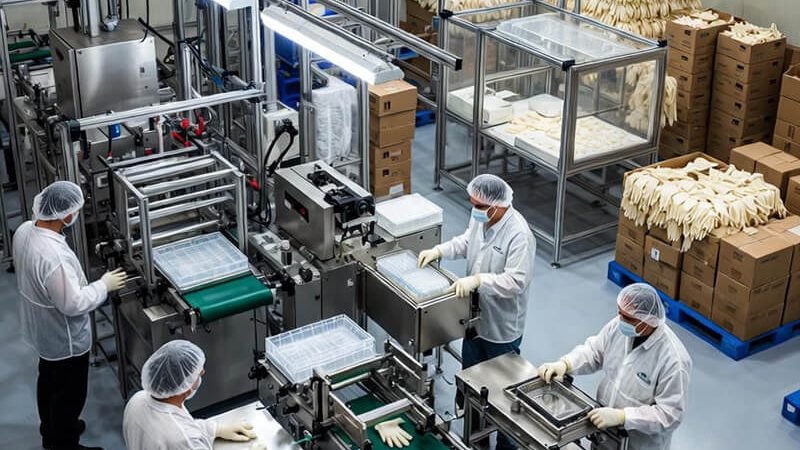
How are Disposable Gloves Made? A Complete Manufacturing Guide
Table of Contents
- ► Introduction to Disposable Glove Manufacturing
- ► Types of Disposable Gloves
- ► Raw Materials and Sourcing
- ► Latex and Synthetic Compound Preparation
- ► Dipping Technology and Process
- ► Disposable Gloves Manufacturing Machine
- ► Curing and Vulcanization
- ► Finishing, Stripping, and Treatment
- ► Quality Standards and Testing
- ► Packaging and Distribution
- ► Partner With Us
Introduction to Disposable Glove Manufacturing
Disposable gloves have become indispensable in healthcare, food service, cleaning, and countless other industries. The manufacturing process behind these protective gloves is a sophisticated blend of chemistry, engineering, and precision automation. Understanding how disposable gloves are made provides insight into the quality, safety features, and performance characteristics that define modern protective equipment.
The global disposable glove market has experienced tremendous growth, driven by increased awareness of hygiene and infection control. Modern manufacturing facilities produce millions of gloves daily using advanced technology and rigorous quality control systems to meet international standards and regulations.
Types of Disposable Gloves
Disposable gloves are manufactured from various materials, each offering distinct advantages for specific applications. Understanding these types is essential for selecting appropriate gloves for intended use.
Natural Latex Gloves: These remain the most traditional option, offering excellent elasticity, comfort, and tactile sensitivity. Latex gloves provide superior barrier protection and are highly cost-effective. However, they may trigger allergic reactions in sensitive individuals due to natural rubber proteins.
Nitrile Gloves: Synthetic nitrile offers excellent chemical resistance, puncture resistance, and is latex-free, making them suitable for individuals with latex allergies. Nitrile gloves have become increasingly popular in healthcare and industrial settings. They provide strong protection against oils, solvents, and many chemicals.
Vinyl Gloves: These polyvinyl chloride (PVC) gloves are economical and suitable for light-duty applications. Vinyl gloves are latex-free and hypoallergenic but offer less elasticity and barrier protection compared to latex or nitrile options.
Chloroprene Gloves: Also known as neoprene, these synthetic gloves provide latex-free alternatives with good elasticity and chemical resistance. They are ideal for individuals with latex sensitivity who require a more comfortable fit than vinyl.
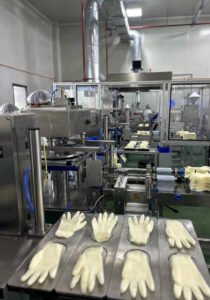
Raw Materials and Sourcing
Quality disposable glove production begins with careful selection and procurement of raw materials. Manufacturers source materials from suppliers meeting strict specifications to ensure consistency and reliability in final products.
Primary Materials: Natural rubber latex is harvested from rubber tree plantations and processed into concentrated latex for glove production. For synthetic alternatives, manufacturers source nitrile rubber, PVC resins, or chloroprene compounds from chemical suppliers. These base materials undergo rigorous testing for purity, viscosity, and chemical composition.
Chemical Additives: Vulcanizing agents, accelerators, antioxidants, plasticizers, and colorants are carefully selected and measured. These additives modify the material properties to achieve desired characteristics such as elasticity, durability, and appearance. Each additive must comply with FDA and international regulatory requirements.
Quality Control in Sourcing: Incoming raw materials are tested for consistency and compliance with specifications. Temperature and humidity-controlled storage facilities maintain material integrity before production. Any deviation from standards results in rejection to prevent quality issues downstream.
Latex and Synthetic Compound Preparation
Before disposable gloves can be manufactured, raw materials must be processed into suitable compounds. This preparation stage is critical for achieving consistent glove quality throughout production runs.
Latex Compounding: Natural latex concentrate is mixed with water to achieve proper viscosity. Chemical additives including vulcanizing agents, accelerators, and antioxidants are incorporated in precise proportions. Large industrial mixers blend these components thoroughly while maintaining controlled temperatures to prevent premature vulcanization.
Synthetic Compound Mixing: For nitrile, vinyl, and chloroprene gloves, base polymers are mixed with plasticizers, fillers, and colorants. This process requires specialized equipment capable of achieving homogeneous mixing while preventing degradation of the polymer chains.
Quality Parameters: The prepared compound is tested for viscosity, gel time, specific gravity, and other critical parameters. These tests ensure the material has appropriate flow characteristics for dipping processes and will cure properly in subsequent manufacturing stages. Only compounds meeting specifications proceed to production.
Dipping Technology and Process
The dipping process is the foundational manufacturing technique for creating disposable gloves. This method involves coating hand-shaped forms with successive layers of glove material to build the desired thickness and characteristics.
Form Preparation: Ceramic or metal hand forms are cleaned, heated to optimal temperature (typically 40-60°C), and treated with a coagulant chemical. The coagulant facilitates adhesion of the glove material to the form surface.
First Dip: The heated form is immersed into the prepared latex or synthetic compound tank at a controlled speed. As the form is withdrawn, a thin layer of material coats the surface. The withdrawal speed and tank temperature determine coating thickness and uniformity.
Coagulation: After the first dip, forms pass through or are sprayed with a coagulant solution. This chemical reaction causes the latex or synthetic material to set and adhere properly to the form, creating a tacky layer ready for additional coats.
Multiple Dipping Cycles: Forms undergo 3-5 additional dipping cycles, depending on desired final glove thickness. Each cycle adds a microscopic layer to the growing glove. The timing, temperature, and chemical conditions between dips are precisely controlled to optimize layer bonding.
Thickness Control: Final glove thickness typically ranges from 0.08-0.12mm for standard disposable gloves. Manufacturers achieve this consistency through careful control of dip tank viscosity, form temperature, withdrawal speed, and residence time in coagulation zones.
Disposable Gloves Manufacturing Machine
Modern disposable gloves manufacturing machine systems represent the pinnacle of automation and precision engineering. These sophisticated systems are essential for producing high volumes of consistent, quality gloves while maintaining strict safety and regulatory compliance.
Automated Production Lines: Contemporary disposable gloves manufacturing machine setups consist of multiple integrated stations operating in synchronized sequence. Forms move continuously through heating, dipping, coagulation, curing, and finishing zones. Advanced sensors monitor each stage in real-time, adjusting parameters automatically to maintain quality standards.
Precision Control Systems: Modern disposable gloves manufacturing machine equipment features computerized control of temperature, humidity, chemical concentrations, and timing. These systems maintain precise dip tank viscosity by monitoring and adjusting compound properties continuously. Temperature sensors throughout the line ensure optimal conditions at each manufacturing stage.
Efficiency Features: Disposable gloves manufacturing machine systems incorporate energy-efficient heating, reduced chemical consumption, and optimized form conveyor speeds. High-speed production lines can produce 1,000-3,000 gloves per hour per production line, depending on specific equipment configuration and glove specifications.
Flexibility and Customization: Advanced disposable gloves manufacturing machine systems allow quick changeovers between different glove sizes, materials, and specifications. Operators can adjust parameters to produce latex, nitrile, vinyl, or other synthetic gloves without requiring equipment replacement. This flexibility enables manufacturers to respond quickly to market demands.
Safety Integration: Modern disposable gloves manufacturing machine equipment includes comprehensive safety features protecting workers and ensuring product quality. Automated chemical handling reduces worker exposure to hazardous materials. Ventilation systems remove vapors and chemical fumes. Quality monitoring systems automatically reject defective gloves before packaging.
Curing and Vulcanization
After final dipping, gloves must undergo curing or vulcanization to achieve their characteristic properties of elasticity, strength, and durability. This chemical process transforms the liquid polymer into solid, functional protective equipment.
Vulcanization in Latex Gloves: Latex gloves pass through hot air ovens or steam chambers heated to 80-140°C. During this 1-5 minute exposure, sulfur cross-links form between polymer chains. This process develops tensile strength, tear resistance, and elastic recovery that define quality latex gloves.
Curing in Synthetic Gloves: Nitrile, vinyl, and chloroprene gloves cure through controlled heating in specialized chambers. Temperature and humidity are precisely controlled to optimize polymer cross-linking without causing brittleness or degradation. Curing times vary by material type and desired final properties.
Temperature Management: Curing chambers maintain precise temperature profiles throughout the glove. Under-curing results in weak, tacky gloves prone to tearing. Over-curing causes brittleness and cracking. Sophisticated monitoring systems ensure each glove receives optimal curing conditions.
Humidity Control: Relative humidity during curing significantly affects final glove properties. Modern facilities maintain humidity levels between 50-85% depending on material type and specifications. Proper humidity ensures consistent cross-linking and prevents surface defects.
Finishing, Stripping, and Treatment
Once cured, gloves must be removed from forms and prepared for packaging. These finishing stages involve careful handling to maintain glove integrity while ensuring proper quality and cleanliness.
Stripping Process: After vulcanization, forms enter the stripping zone where mechanical or manual processes remove cured gloves. Mechanical strippers use gentle pressure and precise timing to roll glove edges downward, separating the cured rubber from the ceramic form. Skilled operators may perform manual stripping for premium products.
Excess Material Removal: Gloves often have excess latex at the cuff after stripping. Automated trimming equipment removes this material, creating uniform, neat cuff edges. The trimmed material is recycled into raw material streams, reducing waste.
Powder Application: Many disposable gloves receive a light coating of powder (traditionally talc, now often cornstarch) to prevent sticking and ease donning. Powder is applied uniformly to glove surfaces through rotating drums or spray systems. The amount is carefully controlled to meet specification limits.
Leaching Treatment: For medical-grade gloves, leaching removes water-soluble allergens and residual chemicals. Gloves are immersed in purified water tanks where ionic contaminants diffuse from the glove material into the water. Multiple rinses progressively reduce allergen and chemical residue levels. This is particularly important for individuals with latex sensitivity.
Drying: After leaching and treatment, gloves pass through climate-controlled drying chambers. Temperature and humidity are carefully managed to remove moisture without causing cracking or brittleness. Proper drying is essential to prevent mold growth during storage.
Quality Standards and Testing
Rigorous quality control throughout manufacturing ensures disposable gloves meet regulatory standards and customer expectations. Multiple testing protocols verify safety, durability, and performance characteristics.
Tensile Strength Testing: Samples from each production batch are tested to measure the force required to tear gloves. International standards (ISO 23644, FDA regulations) establish minimum tensile strength requirements. Gloves failing these tests are rejected before distribution.
Elongation and Elasticity: Testing measures how much gloves can stretch before breaking and their ability to return to original shape. Proper elongation ensures gloves fit various hand sizes and remain intact during use.
Pinhole Detection: High-voltage electronic equipment identifies microscopic punctures or weak spots that could compromise protective effectiveness. This is critical for medical gloves where barrier integrity is essential for infection control.
Water Leak Testing: Gloves are filled with water under pressure to detect permeability issues. Any water leakage indicates defects that would allow pathogen penetration. All medical-grade gloves must pass this test.
Chemical Residue Analysis: Laboratory testing measures levels of accelerators, heavy metals, and other chemical residues. Results must fall within acceptable limits established by FDA and international standards. Excessive residues could cause skin irritation or other health concerns.
Allergen Testing: For latex gloves, protein content is measured and must fall below specified levels to minimize allergic reaction risks. Synthetic gloves are tested for residual monomers and other potential allergens.
Sterility Assurance: Medical-grade gloves undergo sterility testing and are typically sterilized by ethylene oxide or gamma radiation. Sterility validation ensures gloves remain uncontaminated from manufacturing through end use.

Packaging and Distribution
The final stage of disposable glove manufacturing involves protective packaging that preserves quality throughout the supply chain until use. Proper packaging is essential for maintaining sterility and protecting gloves from damage or contamination.
Individual Packaging: Gloves are typically packaged in sealed bags or boxes containing specific quantities (100, 200, 1000 gloves per box). Packaging materials provide barriers against moisture, dust, and other contaminants. For medical applications, sterile packaging maintains glove sterility.
Labeling Requirements: Packages display critical information including glove size, material composition, intended use, expiration date, batch/lot number for traceability, regulatory approvals (FDA, CE marking), allergen warnings, and manufacturer contact information.
Temperature Control: Storage and transportation maintain appropriate temperature and humidity ranges. Extreme heat can degrade gloves; excessive moisture can promote degradation or mold growth. Climate-controlled facilities and packaging protect gloves throughout distribution.
Traceability Systems: Batch numbering and tracking systems enable rapid identification and recall of any defective glove batches. This traceability is crucial for maintaining safety and regulatory compliance across the supply chain.
Distribution Channels: Disposable gloves reach end users through diverse channels. Medical gloves are distributed through healthcare suppliers and hospitals. Food-service gloves reach restaurants, catering services, and food processors. Industrial gloves are supplied to manufacturing facilities and distributors. Online platforms and retail stores provide access for individual consumers.
Ready to Enhance Your Glove Production?
We are professional disposable gloves manufacturing machine manufacturers with extensive expertise in glove production technology. Our state-of-the-art equipment, innovative solutions, and technical support help manufacturers achieve superior quality, efficiency, and regulatory compliance.
Whether you’re establishing a new production facility, expanding existing capacity, or upgrading to advanced technology, our disposable gloves manufacturing machine solutions are designed to meet your specific requirements and market demands.
Contact our team today to discuss your disposable glove production goals. We’re committed to providing cutting-edge manufacturing equipment and comprehensive support to maximize your production capabilities and product quality.