What is the Best Packaging for Food?
Table of Contents
Common Food Packaging Materials
The food packaging industry offers diverse materials, each with specific advantages and applications. Plastic remains the most widely used material due to its versatility and cost-effectiveness. Common plastic types include polyethylene (PE) for flexible applications, polypropylene (PP) for heat-resistant items, and polyethylene terephthalate (PET) for transparent containers and beverage bottles.
Glass is an excellent choice for premium food products. It is inert, non-porous, transparent, and completely reusable, making it ideal for sauces, preserves, and beverages. Glass provides superior protection against contamination and maintains product integrity over extended storage periods.
Paper and cardboard packaging is increasingly popular for its sustainability and versatility. These materials are lightweight, recyclable, and perfect for dry goods, snacks, and bakery products. Paper-based solutions offer excellent branding opportunities while reducing environmental impact.
Metal cans provide superior protection and have been used for decades. Aluminum and steel cans offer excellent barrier properties against light, oxygen, and moisture, making them ideal for beverages, fruits, vegetables, and processed foods.
How to Select the Best Packaging
Choosing the right packaging requires evaluating multiple factors. First, consider product protection. Assess material robustness against moisture, temperature variations, and physical stress during transportation. Different foods require different protection levels—perishables need moisture-proof, oxygen-resistant barriers, while dry goods have simpler requirements.
Second, evaluate shelf life requirements. Vacuum-sealed pouches and modified atmosphere packaging (MAP) trays extend freshness by reducing oxidation. Vacuum packing removes air before sealing, inhibiting spoilage microorganisms and extending shelf life significantly.
Third, assess consumer appeal. Packaging design influences purchase decisions—research shows 72% of consumers consider packaging design when buying. Choose materials that allow for vibrant graphics, clear labeling, and professional presentation to enhance brand visibility on retail shelves.
Finally, consider convenience features. Modern consumers appreciate resealable closures, microwave-safe containers, and easy-open designs. These features enhance the unboxing experience and encourage repeat purchases.
Sustainable Packaging Solutions
Sustainability has become paramount in food packaging decisions. Biodegradable and compostable materials are gaining significant market traction. These include bioplastics derived from renewable sources like corn starch, sugarcane, and cellulose that break down naturally without harming the environment.
Innovative materials like molded fiber offer excellent sustainability credentials. Made from renewable resources such as sugarcane bagasse and bamboo, these materials decompose within 100 days and are grease-resistant and moisture-proof. Recent innovations include molded fiber MAP trays that reduce plastic content by up to 85% while maintaining essential preservation properties.
Recycled content packaging is another sustainable approach. Using post-consumer recycled (PCR) materials like rPET reduces reliance on virgin plastics and aligns with circular economy principles. Leading brands increasingly incorporate recycled content in their packaging to demonstrate environmental commitment.
Plant-based alternatives present exciting possibilities. Companies are exploring packaging made from seaweed, algae, and other natural materials. These emerging solutions offer comparable functionality to traditional plastics while being completely biodegradable.
Smart and Active Packaging
Smart packaging technology represents the future of food preservation. These innovative solutions integrate features that monitor freshness, track product integrity, and communicate with consumers. Time-temperature indicators change color to show when products have been exposed to improper conditions, while QR codes link to detailed product information.
Active packaging goes beyond passive protection. Oxygen scavengers remove oxygen that causes spoilage, while antimicrobial films inhibit bacterial growth. Modified atmosphere packaging (MAP) maintains optimal oxygen and ethylene levels to keep produce fresh longer. Some advanced packaging releases natural antimicrobial vapor to slow mold growth and extend shelf life.
The smart packaging market is experiencing rapid growth, with projections showing expansion at 12.9% CAGR. These technologies enhance food safety, reduce waste, and provide consumers with peace of mind about product quality and freshness.
Food Preservation Techniques
Vacuum packing remains one of the most effective preservation methods. By removing air from packages before sealing, vacuum technology extends shelf life by reducing oxidation and inhibiting spoilage microorganisms. This technique works exceptionally well for meats, cheeses, and other perishable items.
High-pressure processing (HPP) complements packaging efforts. This technique applies intense pressure to food products, effectively killing or deactivating microorganisms that cause spoilage without requiring heat treatment. Combined with proper packaging, HPP can significantly extend shelf life while maintaining nutritional value.
Tamper-evident design is essential for food safety and security. Modern packaging includes tamper-resistant features that protect food on shelves and during delivery, with clear evidence if packaging has been compromised. This is particularly important for e-commerce and direct-to-consumer delivery models.
2025 Packaging Trends
The food packaging industry continues evolving rapidly. Microwaveable packaging is increasingly popular as consumers demand convenient ready-to-eat options. Proper design ensures products heat evenly without leaking, while secure lids allow easy resealing of leftovers.
E-commerce packaging has become critical as online food ordering grows. Packaging must balance durability for shipping protection with sustainability requirements. Double-wall insulation in hot cups and innovative cushioning materials maintain product integrity while reducing environmental impact.
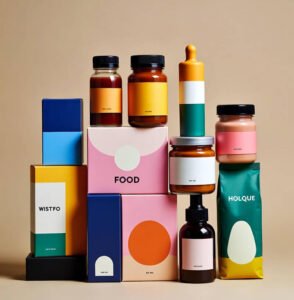
Personalization and branding continue gaining importance. Consumers prefer distinctive, minimal designs that stand out on crowded shelves. High-contrast graphics, retro aesthetics, and nature-inspired patterns create memorable brand identities that enhance shelf appeal and consumer connection.
The global packaging market continues expanding rapidly, with projections showing growth from USD 527.51 billion in 2025 to USD 921.95 billion by 2034 at a 6.4% CAGR. Sustainability, technology integration, and consumer experience remain the driving forces shaping packaging innovation.
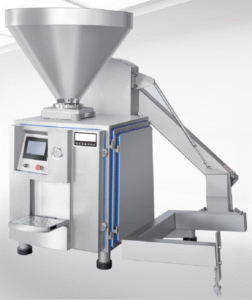
We are professional food packaging machine manufacturers.
We provide advanced packaging equipment and solutions to meet your production needs. Contact us to discover how our technology can enhance your packaging efficiency and product quality.