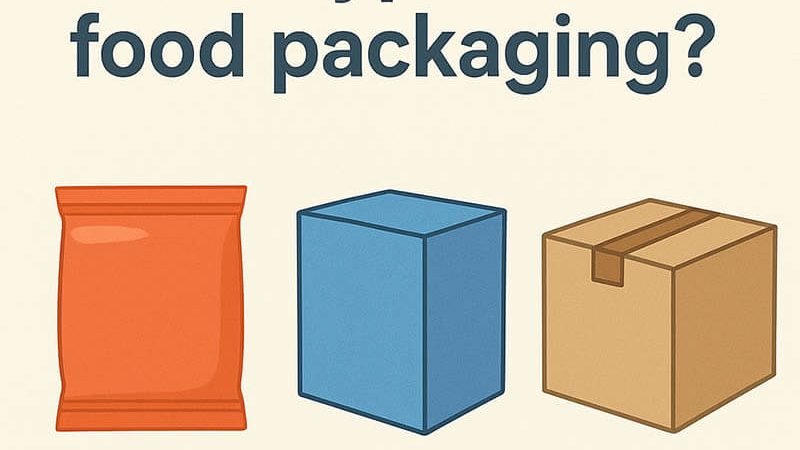
What Are the Three Types of Food Packaging?
Table of Contents
Introduction
Food packaging plays a crucial role in preserving product quality, extending shelf life, and ensuring safe delivery from manufacturers to consumers. Understanding the different types of food packaging is essential for food producers, distributors, and anyone involved in the food industry. In this comprehensive guide, we’ll explore the three main types of food packaging and how modern food items packing machine technology has revolutionized the packaging process.
Primary Packaging: Direct Food Contact
Primary packaging is the first layer of protection that comes into direct contact with food products. This type of packaging is designed to contain, protect, and preserve the food while maintaining its quality and safety.
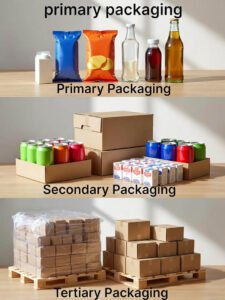
Common examples of primary packaging include plastic bottles for beverages, vacuum-sealed bags for meats, aluminum cans for soft drinks, glass jars for sauces, and flexible pouches for snacks. The materials used must be food-grade and comply with safety regulations to prevent contamination.
Primary packaging serves multiple critical functions. It creates a barrier against moisture, oxygen, light, and microorganisms that could spoil the food. It also provides portion control and convenience for consumers while displaying essential information such as ingredients, nutritional facts, and expiration dates.
Modern food items packing machine technology has made primary packaging more efficient and consistent. Automated filling machines, sealing equipment, and labeling systems ensure that each package meets quality standards while maximizing production speed.
Secondary Packaging: Grouping and Protection
Secondary packaging refers to the layer that groups multiple primary packages together. This packaging level is typically what consumers see on store shelves and serves both protective and marketing purposes.
Examples include cardboard boxes containing multiple cereal bags, shrink wrap bundling several yogurt cups together, display cartons for canned goods, and corrugated boxes for bottled beverages. Secondary packaging is often removed before the consumer uses the product.
The primary functions of secondary packaging include facilitating handling and transportation within retail environments, providing additional protection during shipping and storage, offering branding and marketing opportunities through attractive designs, and enabling easier inventory management and stock rotation.
Retailers and distributors rely on secondary packaging to organize products efficiently. A food items packing machine designed for secondary packaging can automate the boxing, wrapping, and case packing processes, significantly reducing labor costs and improving consistency.
Tertiary Packaging: Transportation and Distribution
Tertiary packaging is the outermost layer used primarily for bulk handling, warehouse storage, and transportation. This packaging type is rarely seen by end consumers but is essential for the supply chain.
Common forms of tertiary packaging include wooden pallets that support stacked boxes, stretch film or shrink wrap securing products on pallets, steel containers for international shipping, and protective corner boards and strapping materials. This level of packaging is designed for durability and efficiency in logistics.
Tertiary packaging must withstand the rigors of long-distance transportation, multiple handling events, and various environmental conditions. It protects large quantities of products from damage during transit while optimizing space utilization in trucks, ships, and warehouses.
The integration of advanced food items packing machine systems at this level includes palletizing robots, automatic stretch wrapping equipment, and conveyor systems that streamline the preparation of products for shipment.
The Role of Food Items Packing Machine in Modern Packaging
The evolution of packaging technology has transformed how food manufacturers approach all three packaging levels. A modern food items packing machine can handle multiple packaging types with precision and speed that manual processes cannot match.
These machines offer numerous advantages including consistent package quality that reduces waste and returns, increased production capacity to meet growing demand, improved food safety through reduced human contact, enhanced traceability with integrated coding and marking systems, and flexibility to accommodate different product sizes and packaging formats.
From vertical form-fill-seal machines for primary packaging to case erectors and sealers for secondary packaging, and palletizing systems for tertiary packaging, automation has become indispensable in the food industry. Investing in the right food items packing machine can significantly improve operational efficiency and product quality.
Choosing the Right Packaging Type for Your Products
Selecting appropriate packaging requires considering several factors. Product characteristics such as perishability, fragility, and size play a crucial role. Shelf life requirements determine the level of protection needed, while transportation distance and conditions affect tertiary packaging choices. Regulatory compliance ensures food safety standards are met, and cost considerations must balance protection with budget constraints.
Many food manufacturers use a combination of all three packaging types to ensure their products reach consumers in optimal condition. The key is finding the right balance between protection, cost, and sustainability while meeting consumer expectations and regulatory requirements.
Conclusion
Understanding the three types of food packaging—primary, secondary, and tertiary—is fundamental to successful food production and distribution. Each level serves distinct purposes, from direct food contact and preservation to retail presentation and bulk transportation. As the food industry continues to evolve, the integration of advanced food items packing machine technology across all packaging levels has become essential for maintaining competitiveness, ensuring food safety, and meeting consumer demands.
Whether you’re packaging fresh produce, processed foods, or beverages, selecting the appropriate packaging types and investing in reliable automation equipment will help your business thrive in today’s demanding marketplace.
Are you looking to upgrade your packaging operations? We are a professional food packaging machine manufacturer specializing in cutting-edge solutions for all your packaging needs. Our comprehensive range of equipment covers primary, secondary, and tertiary packaging applications, designed to enhance efficiency, ensure food safety, and optimize your production line. Contact us today to discover how our innovative food items packing machine technology can transform your packaging process and drive your business forward.